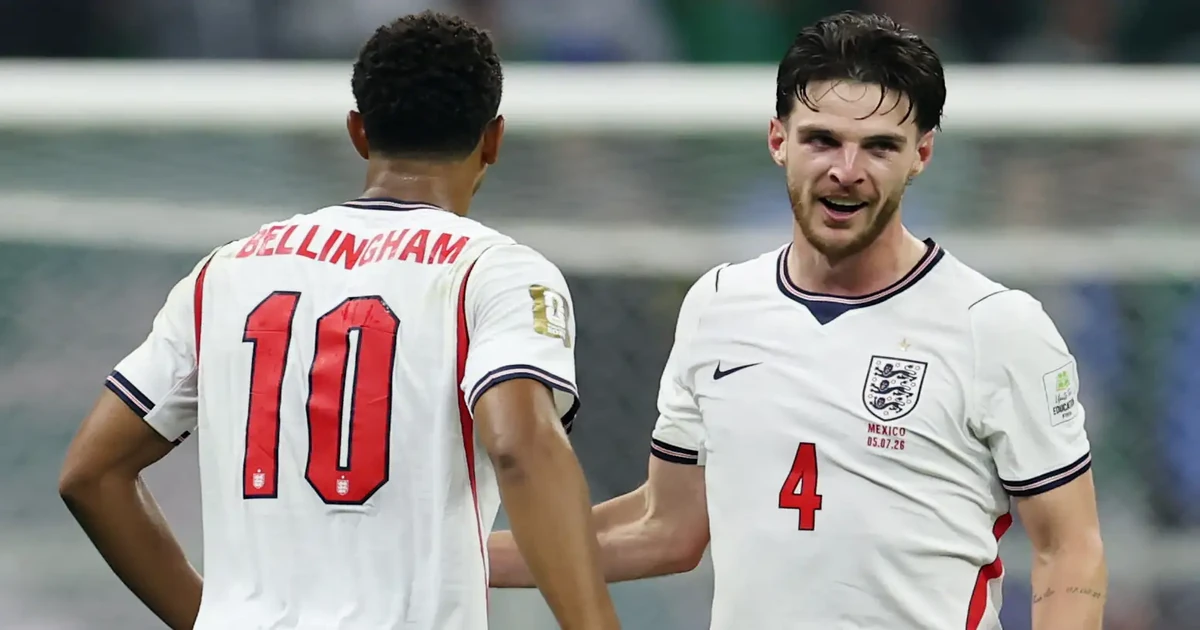
The 2026 FIFA World Cup quarterfinals are upon us, and while tactics and form dominate the headlines, a quieter but equally decisive subplot is unfolding in the disciplinary ledger. Across the eight remaining teams, 17 players are one yellow card away from an automatic suspension that would rule them out of a potential semifinal appearance — a cruel twist that could reshape the tournament without a ball being kicked in anger.
The risk is rooted in FIFA's accumulation rules: any player booked in two of the three knockout matches spanning the Round of 32, Round of 16, and quarterfinals will be automatically suspended for the semifinals, should their team advance that far. With stakes this high, every tackle, every confrontation, and every moment of frustration carries consequences that extend far beyond the 90 minutes.
How FIFA's Yellow Card Rules Work
Understanding the suspension mechanics is key to grasping why so many stars find themselves in the danger zone. Yellow cards reset twice during the tournament: once after the group stage, and again after the quarterfinals. This means no player can be suspended for the final purely through card accumulation — the only route to missing the showpiece is a red card in the semifinal itself.
However, the knockout rounds operate on a sliding window. A player who was booked in the Round of 32 and again in the Round of 16 is already walking a tightrope. One more yellow in the quarterfinal triggers an automatic one-match ban. For players who have only collected one card so far — in either the Round of 32 or Round of 16 — the quarterfinal represents a do-or-die moment. A second booking in that match, and their tournament effectively ends one round early.
⚠️ The Knockout Accumulation Window
Round of 32 + Round of 16 + Quarterfinal = 3 matches
Any player receiving 2 yellow cards across these 3 matches is suspended for the semifinal. Cards reset after the quarterfinals, meaning semifinal bookings do not carry over to the final.
The Full List: 17 Players at Risk
England and Morocco lead the disciplinary danger list with four players apiece on the brink. Switzerland follow with three, while France have two stars walking the tightrope. Here is the complete breakdown of every player one booking away from missing a potential semifinal:
| Nation | Players at Risk | QF Opponent |
|---|---|---|
| England 🏴 | Jude Bellingham, Declan Rice, Marc Guehi, Nico O'Reilly | Norway |
| Morocco 🇲🇦 | Achraf Hakimi, Issa Diop, Redouane Khalhal, Bilal El Khannouss | France |
| Switzerland 🇨🇭 | Granit Xhaka, Denis Zakaria, Miro Muheim | Colombia |
| France 🇫🇷 | Michael Olise, Manu Kone | Morocco |
| Spain 🇪🇸 | Ferran Torres | Belgium |
| Belgium 🇧🇪 | Brandon Mechele | Spain |
| Argentina 🇦🇷 | Gonzalo Montiel | Colombia/Switzerland |
| Norway 🇳🇴 | Antonio Nusa | England |
The Biggest Names in the Firing Line
🦁 Jude Bellingham (England)
England's talisman and heartbeat of the midfield, Jude Bellingham is arguably the highest-profile name on the list. The Real Madrid star has already been booked once in the knockout rounds, and his combative style — pressing high, driving into tackles, and engaging physically with opponents — makes him a constant risk for a second yellow. Against Norway in the quarterfinal, Bellingham will need to channel his intensity without crossing the line. England's hopes of a first World Cup final since 1966 may depend on it.
🇲🇦 Achraf Hakimi (Morocco)
Achraf Hakimi faces a brutal irony: his quarterfinal opponent is France, the very nation he represents at club level with Paris Saint-Germain. The Moroccan right-back is one of the most explosive players in the tournament, combining relentless attacking runs with aggressive defensive duels. Against France's pacey wingers, Hakimi will be tested repeatedly. One mistimed challenge, one moment of frustration, and Morocco could lose their most dangerous outlet for a potential semifinal.
🇫🇷 Michael Olise (France)
Michael Olise has been one of the breakout stars of the 2026 World Cup, dazzling with his dribbling, creativity, and eye for goal. The Bayern Munich winger's direct running style invites fouls — and retaliations. Against Morocco, a team known for its physicality and tactical discipline, Olise will need to keep his composure in tight spaces. France's attack loses a dimension without him, making his availability for a potential semifinal against England or Norway absolutely critical.
🏴 Declan Rice (England)
Alongside Bellingham, Declan Rice forms the engine room of England's midfield. The Arsenal captain's role as a defensive screen requires him to make tackles, intercept passes, and break up opposition attacks — all high-risk activities for a player carrying a yellow card. Against Norway's dynamic midfield, Rice's discipline will be tested. Losing both Bellingham and Rice to suspension would gut England's midfield for a semifinal.
England's Disciplinary Crisis
No team is more exposed than England, who have four players on the brink. Alongside Bellingham and Rice, centre-back Marc Guehi and midfielder Nico O'Reilly are also one booking away from suspension. Manager Gareth Southgate faces an unenviable dilemma: does he instruct his players to play with restraint, potentially ceding intensity and physicality to Norway? Or does he trust them to manage their own discipline and hope for the best?
The risk is compounded by England's quarterfinal opponent. Norway are a young, energetic side led by Erling Haaland, and their pressing game is designed to force errors and rushed decisions. If England's back line or midfield are drawn into early, desperate challenges, the consequences could be catastrophic. Southgate may need to rotate or adjust tactics to protect his most vulnerable players — but at a World Cup, every compromise carries a cost.
Morocco vs France: A Suspension Derby
The Morocco vs France quarterfinal is unique in that both sides have multiple players at risk. Morocco's four — led by Hakimi — face France's two, including Olise. The dynamic is fascinating: Morocco's physical, high-pressing style naturally invites bookings, while France's technical superiority often provokes frustration from opponents. If the match becomes heated — as knockout ties between familiar rivals often do — the referee could be busy, and the suspension list could grow significantly.
For Morocco, losing Hakimi would be devastating. The PSG full-back is their primary creative outlet from deep, their set-piece threat, and their emotional leader. For France, Olise's suspension would blunt an attack that has already lost Kylian Mbappé to injury earlier in the tournament. The stakes could not be higher for either side.
The Tactical Implications
Beyond the individual stars, the suspension risk forces managers into tactical calculations they would rather avoid. A player on a yellow card is a player playing with one hand tied behind his back. Defenders hesitate before committing to tackles. Midfielders pull out of 50-50 challenges. Wingers avoid confrontations with full-backs. The cumulative effect can neuter a team's intensity at exactly the moment when knockout football demands maximum commitment.
For teams with multiple players at risk — England and Morocco chief among them — the dilemma is even sharper. Do you rest a key player to protect him for a semifinal he may never reach? Or do you play him and hope he navigates the quarterfinal without incident? There is no correct answer, only calculated gambles. And at a World Cup, gambles define legacies.
🔗 More on Kooora Scores
Key Storylines to Watch
As the quarterfinals kick off, keep an eye on these disciplinary narratives:
- England's Gamble: Can Southgate manage four at-risk players without compromising his team's intensity against Norway? A cautious approach could backfire if Norway sense hesitation.
- Hakimi's Reunion: The Morocco star faces his PSG teammates in French colours. Emotional ties and high stakes make this a powder keg for bookings.
- Olise's Breakout Under Threat: France's rising star has lit up the tournament. One rash moment against Morocco's physical defence could end his World Cup prematurely.
- Switzerland's Experience: Granit Xhaka is no stranger to yellow cards. His leadership will be tested as Switzerland chase a historic semifinal berth.
- The Reset After Quarterfinals: Players who survive this round will have their slates wiped clean. The semifinals become a free hit — but only if they get there.
The 2026 World Cup quarterfinals promise drama, tension, and moments that will define careers. For these 17 players, the challenge is not just winning the match — it is winning it while keeping their cool. One yellow card. That is all it takes to turn a potential semifinal hero into a spectator. In knockout football, discipline is not just a virtue. It is a survival skill.
Stay tuned to Kooora Scores for live match updates, disciplinary tracking, and full coverage of the 2026 FIFA World Cup knockout stage.