
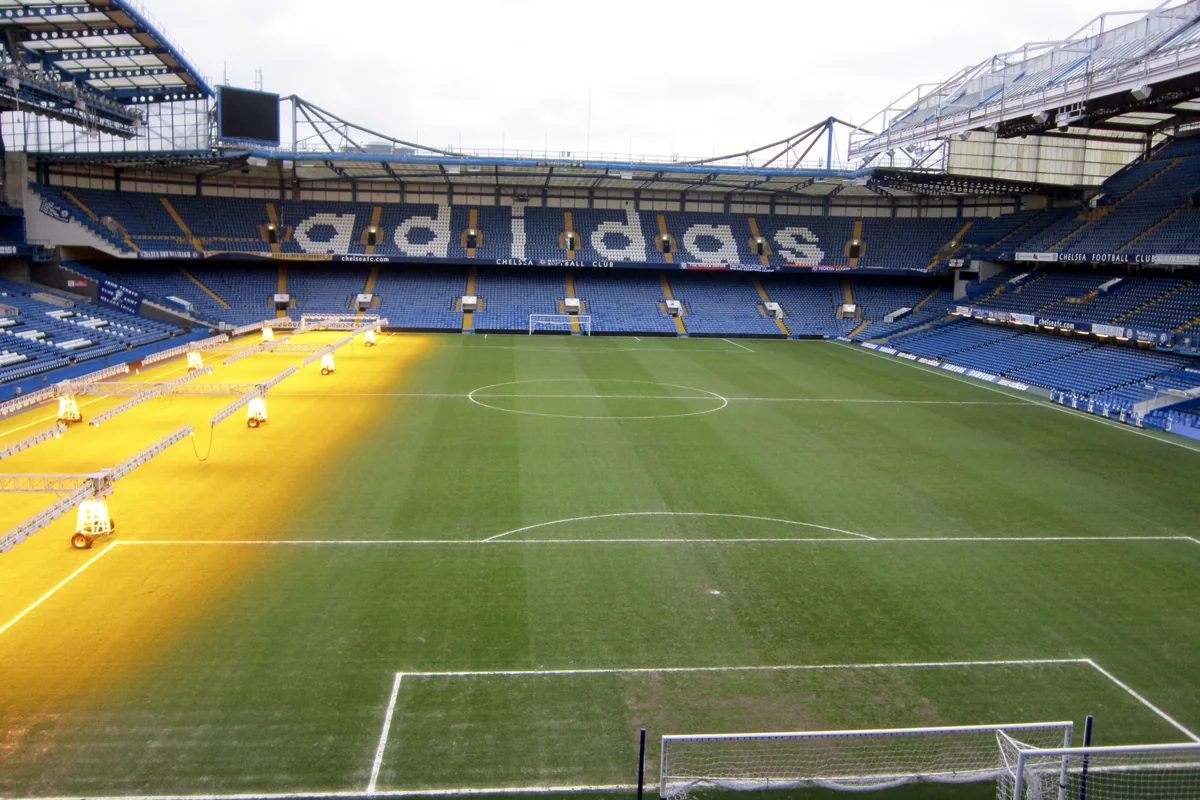
Chelsea 2–0 Manchester United was decided after the interval at Stamford Bridge on 31 October. Morgan Rogers opened the scoring before Cole Palmer converted a penalty, with Lisandro Martínez dismissed after a second yellow card. A match that reached half-time goalless ended with Chelsea back to winning ways and United reflecting on opportunities that had slipped away.
- Rogers scored the opener early in the second half.
- Palmer’s penalty doubled Chelsea’s advantage.
- Martínez was dismissed after a second booking.
- Both teams had first-half goals ruled out for offside.
Why a lively first half still finished 0–0
Chelsea’s official match report records disallowed efforts from Estêvão and Matheus Cunha in the opening half. The Manchester United report also describes an encouraging spell for the visitors that produced chances without a valid goal. The interval score therefore reflected the outcome of those moments, rather than a game with nothing happening in either penalty area.
That distinction changes the way we read the final result. A 2–0 win can look comfortable when viewed alone, yet the first half left both sides with reasons to think they could take control. The decisive question became who would turn the next opening into a goal. Chelsea supplied that answer soon after the restart.
Lavia’s recovery and Rogers’s run broke the deadlock
The Chelsea account traces the opener to Roméo Lavia recovering possession in midfield and finding Rogers. The attacker then drove past Harry Maguire and Martínez before lifting the ball over Senne Lammens. It was a move with two distinct contributions: the regain and pass that started it, and the carry and finish that completed it.
Our analysis is that the connection between those actions is the useful detail. A midfield turnover only becomes dangerous if the next player can exploit the space before the defence settles. Rogers’s forward movement turned the recovered ball into an immediate problem. The reported sequence explains the goal more clearly than treating it as an isolated finish.
The penalty and second yellow changed the task again
Chelsea’s report says a VAR review of an incident involving Wesley Fofana at a corner led to the penalty and Martínez’s second yellow card. Palmer converted. United were then two goals behind with ten players, a substantially different task from chasing a single-goal deficit. The dismissal came after Rogers had already put Chelsea ahead.
Keeping that order clear matters. The first goal altered the score while the teams still had the same number of players; the later incident increased the margin and reduced United’s numbers. They are related turning points, but they explain different parts of the afternoon. Neither should erase the chances that preceded them.
Carrick’s reaction focused on what escaped United
In his post-match reaction, Michael Carrick felt United had played an encouraging first half but failed to make enough of it. He then described the speed with which the second half got away from his team. That is the manager’s assessment of the match, with missed opportunities and the response to conceding at its centre.
There were further moments after the penalty: another Estêvão effort was ruled out for offside, and Bryan Mbeumo later struck the crossbar. Those incidents add texture to the closing stages without changing the final score. The result remains a Chelsea victory built around a decisive second-half spell, rather than a record of every ball that entered the net.
Use our football results page for covered completed games and the Premier League page for the wider programme. Our Como–United report provides another recent United match reference. Each result deserves its own sequence and context before becoming part of a wider judgement.
Chelsea–Manchester United questions
Who scored Chelsea’s goals?
Morgan Rogers and Cole Palmer, the latter from the penalty spot.
Was Martínez shown a straight red?
The official reports describe a second yellow card followed by dismissal.
What was the half-time score?
0–0. Both valid goals came in the second half.
Photo credit and official sources
Photo: Ank kumar / Wikimedia Commons · CC BY-SA 4.0. Cropped, resized and converted to WebP. The prepared image versions retain the linked source license.